
GitHub
Secure collaborative software development for professional programmers
Screenshots
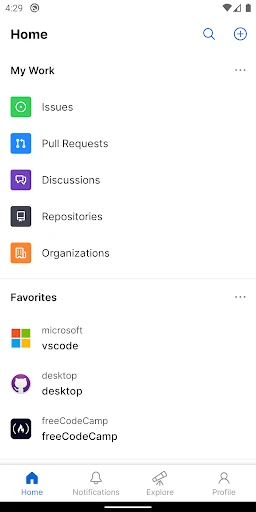
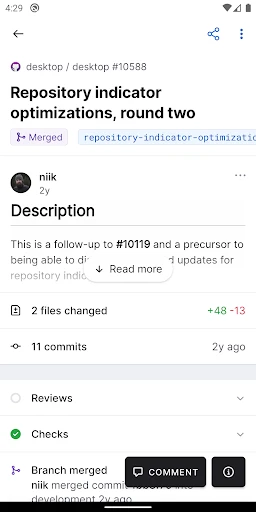
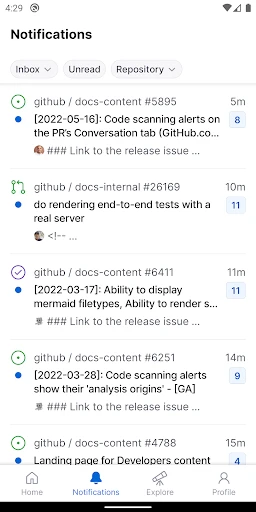


Hey there, tech enthusiasts! Today, we're diving into the world of GitHub, the platform that's become a household name in the developer community. Whether you're a seasoned coder or just starting out, GitHub has something for everyone. So, grab a cup of coffee and let's explore this revolutionary app together!
Let's Kick Things Off with GitHub
First up, let's chat about what makes GitHub so awesome. Basically, GitHub is a website built around Git, which is a system for tracking changes in your code. It's a home for your projects where you can save your work, team up with other people, and keep everything organized. The cool part about GitHub is how it mixes open-source development with social features, creating a central spot for people to create and work together.
What Makes It So Great
Now, let's look at some of the specific things that make developers love GitHub so much:
Repositories: Imagine a repository as your project's main folder. It holds all your files, tracks every change you make, and saves all the updates. You can share them with everyone or keep them just for yourself.
Pull Requests: This is a super important feature! Pull requests let you suggest changes to a project. It's the perfect way to work with others and help make the code even better.
Social Coding: GitHub is more than just code; it's about people. You can follow other coders, mark your favorite projects, and join conversations. Think of it like a social network for people who love to build things.
GitHub Pages: Have you ever wanted to make a website but weren't sure how? GitHub Pages lets you host simple websites straight from one of your repositories. It's really straightforward and feels a bit like magic!
Why GitHub Has My Heart
Speaking from experience, I absolutely love GitHub. It's not just a piece of software; it's a whole community. The open-source nature means anyone can jump in, help out, and learn new things. On top of that, it works smoothly with so many other tools, making it something every developer should use.
Another thing I really appreciate is how it helps newcomers. With so many projects to look at and contribute to, people just starting out can get real-world practice and create a portfolio of their work. It's like having an endless internship with amazing mentors always available!
Wrapping It All Up
To sum it all up, if you haven't started using GitHub yet, you definitely should! It's a platform that makes you more productive while also building a strong community focused on learning. No matter if you're tinkering on your own ideas or helping build the next big open-source project, GitHub is the place to be. So don't wait—dive in and see all the incredible things you can do
Advantages
- Free access to open-source repositories.
- Robust community support and collaboration.
- Integrates with various development tools.
- Offers version control and branching.
- Supports numerous programming languages.
Disadvantages
- Steep learning curve for beginners.
- Requires internet for most features.
- Limited private repositories on free tier.
- Can be overwhelming for small projects.
- UI can be complex for new users.
Frequently Asked Questions
Q: What is GitHub and how does it work?
A: GitHub is a web-based platform used for version control and collaboration on software projects. It utilizes Git, a version control system, to track changes in code, manage projects, and host open-source projects. Developers use GitHub to collaborate on projects, track changes, and manage different versions of their code efficiently.
Q: Is GitHub free to use, and what are its pricing plans?
A: GitHub offers a free plan that includes unlimited public and private repositories, along with basic collaboration tools. For more advanced features such as code owners, required reviewers, and GitHub Actions, users can opt for paid plans like GitHub Pro or GitHub Team. Pricing details can be found on GitHub's official website.
Q: What are GitHub repositories and how do I create one?
A: A GitHub repository is a storage space where your project files and their revision history are stored. To create a repository, log in to your GitHub account, click on 'New' under the Repositories tab, fill in the repository name, description, and select the visibility (public or private). After creation, you can start pushing your code to the repository.
Q: How does GitHub ensure the security of my code?
A: GitHub employs numerous security measures to protect your code, such as encrypted data transfer via SSL, two-factor authentication, and security alerts for vulnerable dependencies. Additionally, GitHub provides tools for code scanning and secret scanning to help identify potential security risks in your repositories.
Q: Can GitHub be used for non-programming projects?
A: Yes, GitHub can be used for non-programming projects as well. While it is primarily designed for code collaboration, its version control and collaboration features make it suitable for managing documentation, design files, and other non-code projects. Teams can use GitHub's project management tools to collaborate on various types of projects effectively.
Technical Information
Recommended for You

Splitwise

Anatomy Learning - 3D Anatomy

FolderSync Pro

ATSAPro

Fahlo Animal Tracker

Services Update Info

Islamic Ringtones 2025

Leafly: Find Cannabis and CBD

Hicut:Face Swap AI Video App

FoxEyes - Change Eye Color

Reel Rush

ModeSens

Animated North Pole Christmas

AlphaNovel — Books & Stories

Planner 5D: Home Design, Decor

Call Color Themes: Call Dialer

Minecraft Education Preview

Reading Eggs - Learn to Read

Comics Price Guide

TigerConnect

CamScanner- scanner, PDF maker

Baby Tracker - Newborn Log

Paramedic Protocol Provider
